


When marketing feels uncertain, the instinct is usually to do more. Post more often. Try another platform. Add another tactic. Increase visibility in hopes that something starts to click.
It feels productive. It looks like progress. But more activity doesn’t always move things forward.
Because doing more marketing isn’t the same as having a plan—and without a plan, more effort often leads to more noise, not better results.
More Activity Doesn’t Fix a Lack of Direction
When results aren’t where you want them to be, it’s easy to assume the issue is visibility. Not enough content. Not enough reach. Not enough consistency.
So the response becomes: do more.
But if your marketing doesn’t have a clear direction, increasing activity only amplifies the same gaps:
- Unclear messaging becomes repeated more often
- Disconnected content gets published more frequently
- Inconsistent positioning shows up across more platforms
The issue isn’t effort—it’s alignment.
A plan gives your marketing a direction to move in. It defines:
- Who you’re trying to reach
- What you want them to understand
- What actions you want them to take
- How your content supports that path over time
Without those pieces, marketing becomes reactive. You’re responding to what feels urgent instead of building something intentional.
And that’s where more activity starts to feel like more pressure instead of progress.

A Plan Tells You What Not to Do
One of the most overlooked benefits of having a plan is that it creates boundaries.
Without a plan, everything feels like an option:
- Every platform feels like something you should be on
- Every trend feels like something you should try
- Every idea feels like something you should act on
That openness can quickly turn into overload.
A plan narrows your focus. It helps you decide:
- Which platforms actually matter for your business
- What types of content align with your message
- What doesn’t fit your direction right now
This doesn’t limit your marketing—it strengthens it.
When you know what you’re building, it becomes easier to say no to what doesn’t support it. And that’s what keeps your efforts from becoming scattered.
More marketing without a plan expands your workload. Marketing with a plan concentrates your efforts.
If Everything Feels Important, Nothing Is Prioritized
A common sign that a plan is missing is the feeling that everything needs attention at once.
Content, email, social media, website updates, new ideas, new platforms—it all feels urgent. So you try to keep up with all of it, often switching between tasks without a clear priority.
That’s not a capacity issue. It’s a prioritization issue.
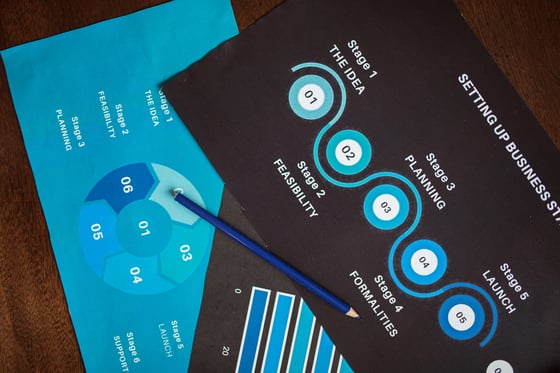
A plan creates a sequence. It helps you understand:
- What needs to be built first
- What can come later
- What can be paused or ignored for now
Without that sequence, marketing becomes a constant juggling act. You’re doing a lot, but it’s hard to tell what’s actually moving things forward.
With a plan, your efforts start to stack instead of compete.
A simple check if you have a marketing plan:
- Do you know what your marketing is focused on right now?
- Can you clearly identify your top priority?
- Or does everything feel equally important?
If everything feels urgent, it’s usually a sign that a clear plan hasn’t been defined.
More Isn’t the Answer—Clear Direction Is
Doing more marketing can feel like the solution when things aren’t working. But more effort without direction often leads to more frustration.
A plan doesn’t require you to do more. It requires you to be clearer about what you’re doing and why.
When your marketing has direction, your efforts become more focused, your decisions become easier, and your results become easier to evaluate over time.
Because the goal isn’t to keep adding more—it’s to make sure what you’re already doing is actually leading somewhere.